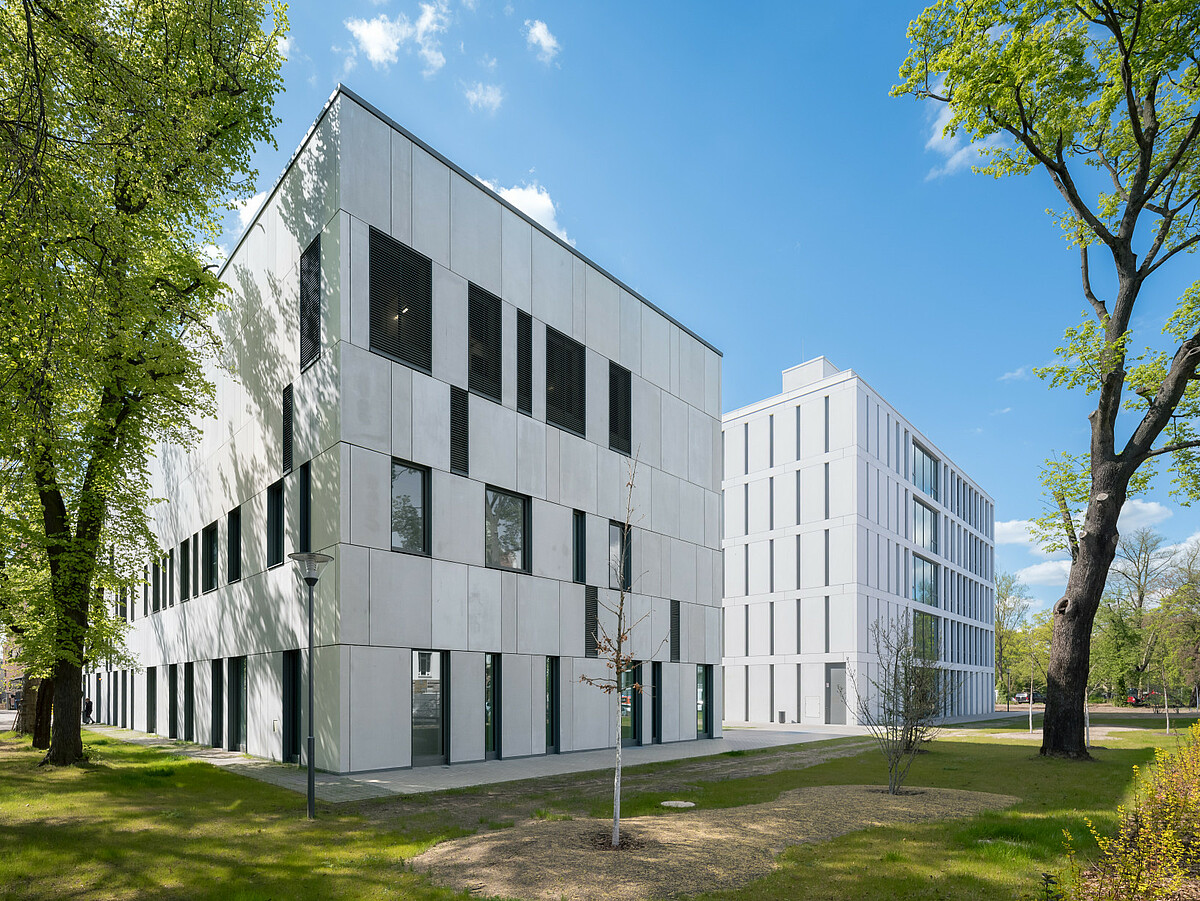

Berlin Opens Two Cutting-Edge Medical Research Hubs
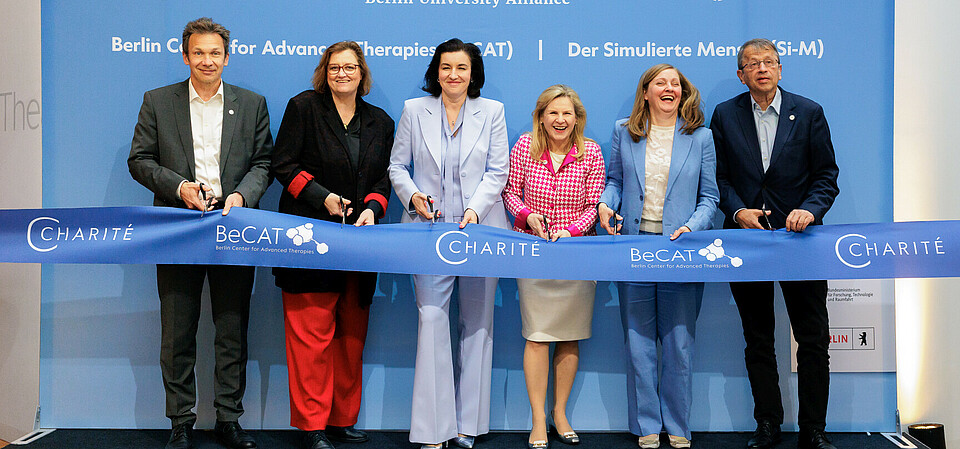
BeCat is officially opened. (From left: Prof. Dr. Joachim Spranger, Dr. Ina Czyborra, Dorothee Bär, Astrid Lurati, Prof. Dr. Annette Künkele-Langer, Prof. Dr. Heyo K. Kroemer.)
Two brand-new research centers have officially opened their doors in Berlin-Wedding, and they could change medicine as we know it. The Charité and TU Berlin have jointly launched the Berlin Center for Advanced Therapies (BeCAT) and The Simulated Human (Si-M), both part of the growing Campus for Bio- and Medical Technology. The following is based on a press release by TU Berlin.
BeCAT focuses on developing so-called "living drugs," therapies based on genes, cells, and tissues. Instead of just managing symptoms, these treatments aim to tackle the root causes of disease and offer lasting recovery. Meanwhile, Si-M takes a different but equally fascinating approach: simulating human biology, from molecular processes all the way to complex organ functions, using cutting-edge tools like organoids, organ-on-a-chip technology, and 3D bioprinting.
The two centers together received more than €78 million in funding from federal and state sources. Federal Research Minister Dorothee Bär described the investment as a clear statement of intent: Germany wants to lead globally in developing new therapies.
What makes both centers stand out is their emphasis on interdisciplinarity. Engineers, physicians, and biologists work side by side, with the goal of accelerating the path from research idea to actual patient treatment. The Si-M building itself reflects this spirit with open spaces and a unique amphitheater-style lecture room that invites public engagement.
Berlin is cementing its status as a serious hub for health innovation.